Vital Statistics
Robert Burton Pynsent: 1869 – 1953 GRO0744 (Farmer, Wanganui, New Zealand & Barrister, Westminster, London)
Mary Isobel Addie: 1879 – 1956
Married: 1906: Northaw, Hertfordshire
Children by Mary Isobel Addie:
Charles Burton Pynsent: 1907 – 1967 (Married (1) Lorna Ruth Tasman Moss: Lahore, Punjab, India: 1933: (2) Bessie Florence Hunt: Windsor, Berkshire: 1942)
Joan Isobel Pynsent: 1909 – 1998
Mary Helen Pynsent: 1914 – xxxx (Married (1) Edward Edmond Henry Trelle: (2) Cyril Reginald Gower: 1950)
Family Branch: Hennock
PinsentID: GRO0744
References
Click here to view close relatives.
Robert Burton Pynsent (“Bob”), son of Charles Pitt and Georgina Helen Pynsent was born at Heidelberg in Germany and emigrated to New Zealand with his father who may, perhaps, have thought of returning to his first love, running a sheep farm.
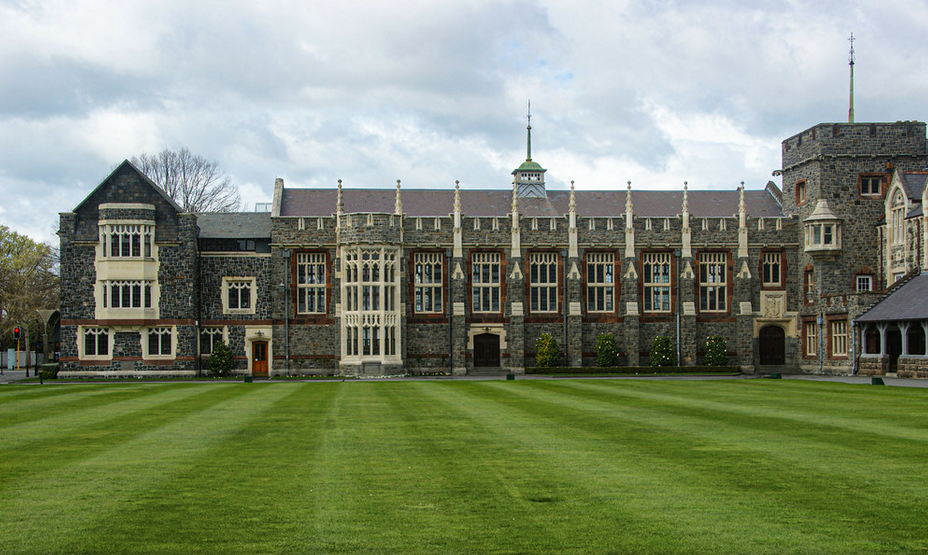
Robert attended Christ’s College, in Christchurch on the South Island, from 1885 to 1887 (New Zealand School Registers and List (1850 – 1967) and returned to London with his parents and his sister Marion on the “S.S. Ruapehu” in May 1888 (Nelson Evening Mail: 5th May 1888). He was “admitted pensioner (age 19) at Jesus College, Cambridge in October 1888” and obtained his B.A. there in 1891 (Manchester Courier and Lancashire General Advertiser: Monday 22nd June 1891). His father, meanwhile, seems to have returned to Wellington in March 1890 (Auckland Star: 14th March 1890). Robert Burton stayed on in England and studied law, and was called to the bar, at the Inner Temple, on November 17th, 1893. He went on to serve on the Oxford Circuit (Scott, MSS; Law Lists).
Robert made several trips back to New Zealand. He returned once after graduation, in 1891, and once again in 1894 – after being called to the bar (Press: 29th January 1894). How long he intended to stay, I do not know. According to the New Zealand Graphic (10th March 1894), he was “visiting his parents for a few months.” However, his father was getting on in age and Robert seems to have stayed on to run a farm, or sheep station as it may more accurately be described, on “No. 2 Line” at Makirikiri, in Wanganui (now known as Whanganui) while his father and mother settled into retirement in their comfortable house called “Clifton” on Hobson Road in Wellington.
Robert seems to have been less interested in the social functions than his mother and sister; however, he did attend a Mrs. Coke-Daniels “At Home” dance who assigned a Miss H. Johnston to be his dancing partner in November 1894 (New Zealand Mail: 30th November 1894). He also attended Wellington’s (Queen Victoria) “Birthday Ball” with the rest of his family in June the following year (New Zealand Mail: 21st June 1895) and went to at a dance given by Mrs. Charles Johnston as her eldest daughters “Debut” the year after that (New Zealand Graphic: 12th September 1896). In fact, his social life may have been far more active than that. The social columnists of the day (“Ophelia” and “Clarissa” in the New Zealand Graphic, and “Ignota” and “Violet” in the New Zealand Mail) obsessed about women’s clothes and rarely thought to mention their menfolk. They must have been there.
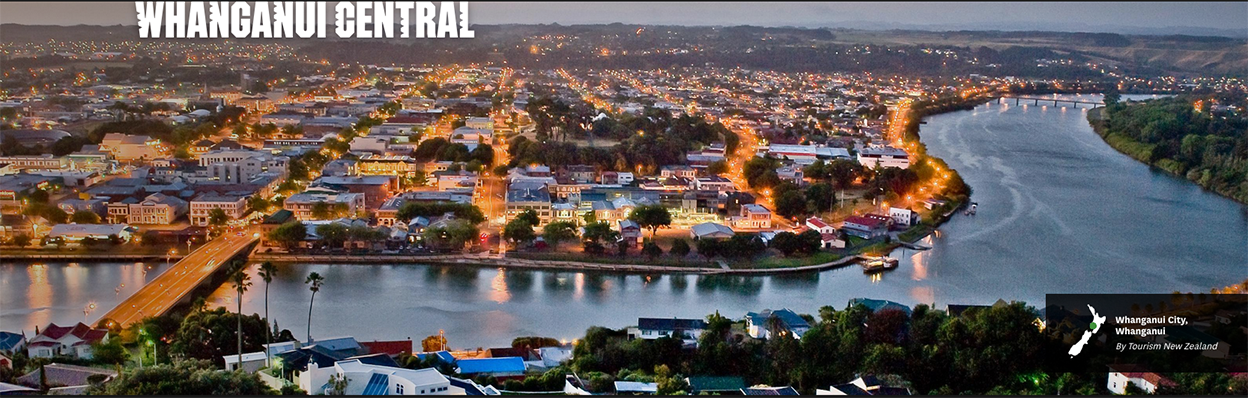
Robert Burton’s farm was near Cook Strait, approximately 200 kilometres north of Wellington. According to one of the New Zealand Post Office Directories (1896-7), it could handle around 1,800 sheep (New Zealand Post Office Directories: 1896-7); however that seems like an understatement. A listing of Annual Sheep Returns attached to New Zealand’s Parliamentary Papers, shows that Robert’s sheep station at Makirikiri started out with 1,973 sheep in 1895 and it ran 3,796 in 1898. The number declined to 2,962 in 1899 and then to zero the following year as Robert prepared to returned to England in the spring of 1898 (New Zealand Graphic 11th June 1898).
Bob was back in New Zealand the following year. He attended stock sales in Fielding, near Palmerston North in February 1899 (Fielding Star: 17th February 1899), and in July that year he crossed over Cook Strait to the South Island and traveled down to Dunedin by train (Otago Daily Times: 28th July 1899) – presumably on business. We know that he lost a “small roan cow” from “No. 2 Line” in August 1899 as he advertised for its return (Wanganui Chronicle: 23rd August 1899). The farm evidently had a dairy department too.
While working on the farm, “Bob Pynsent” applied for a license to shoot “imported game” in the Makirikiri district in May 1899 (Wanganui Chronicle: 10th May 1899). How good the hunting actually was I do not know, but he joined with his neighbours in issuing a notice that: “We the undersigned settlers hereby prohibit any person trespassing on our properties with dog or gun, and hereby authorize Mr. John Walker, Ranger to take proceedings against any person so trespassing. S. Oliver, No. 2 Line, R. B. Pynsent, No. 2 Line, Thos. H. Jones, Russelvale, A. Sheriff, No. 2 Line (Wanganui Herald 8th April 1900). Robert joined the Wanganui Hunt Club a fortnight later (Wanganui Herald: 21st April 1900). However, by then he must have already decided to return to England.
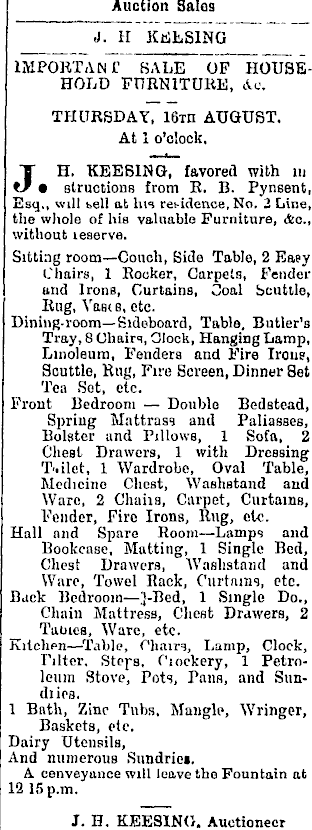
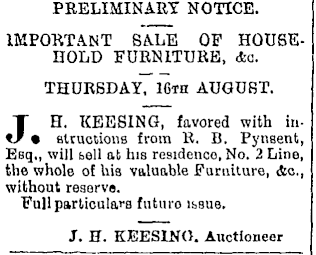
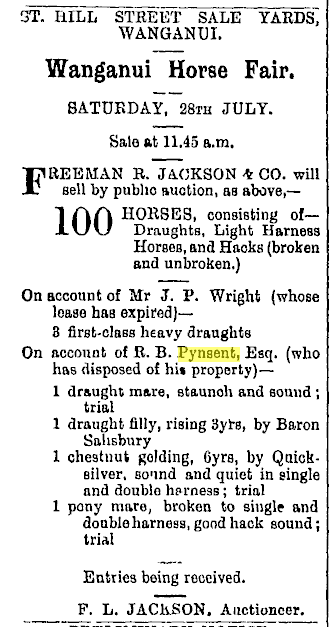
Robert Burton Pynsent sold a “draught mare” at the Wanganui Horse Fair in July (Wanganui Herald: 23rd July 1900) and put “No. 2 line” up for lease – presumably with the life-stock – up for sale the following month. He also arranged for Mr. J. H. Keesing to auction off his household furniture – which he did on Thursday 16th August 1900 (Wanganui Herald: 15th August 1900). The contents of his house are described in graphic detail.
Bob stayed on in Wanganui for a few months after the sale. He was an avid member of the Wanganui Golf Club and his wins and losses are documented in numerous issues of the Wanganui Chronicle (Wanganui Chronicle: 18th July 1900; New Zealand Graphic: 28th August 1900, and others). He seems to have sold the property in 1901 and to have returned to England sometime that winter and resumed his career in the law. However, ships’ manifests show that he was back in New Zealand the following year (1901). He passed through Hong Kong on the “Katuga Maru” in April 1901 (Overland China Mail: Monday 22nd April 1901). He was heading for Japan as he had, apparently, elected to take a different route home to England (New Zealand Graphic: 23rd February 1901)
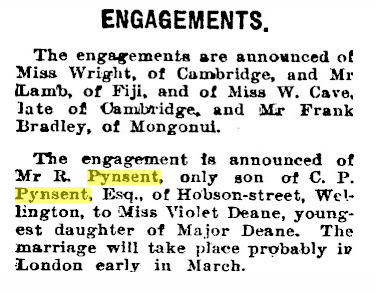
Robert Burton was probably in England when his engagement to Miss Violet Deane was announced in January 1903 (New Zealand Graphic: 31st January 1903). They intended to get married in London. Who she was, I do not know; however, she may have been the daughter of Major B. Pollexfen Deane of Box in Wiltshire. If so, she was bridesmaid at her sister’s wedding in 1902 (Globe: Wednesday 27th August 1902). Alternatively, there was a singer/dancer/actress with the same name in London in those days! Of course, the two are not mutually exclusive! Anyway, I am not aware that they did marry. Perhaps the need for Robert to go out to Wellington after his father’s death in July 1903 brought the engagement to an end.
Charles Pitt Pynsent died in Wellington leaving his widow, his son (who was in England) and Gifford Marshall (a solicitor in Wanganui) as his executors, and they set about winding up his estate. Bob returned to New Zealand in September 1903 (Sydney Evening News: 4th September 1903). How long he remained there on this occasion, I am not sure but he was back in London in 1905 in time to respond to Queen Alexandra’s Appeal for the Unemployed (London Daily News: Saturday 18th November 1905. Charles left a large annuity for Georgina and allocated substantial sums for his two granddaughters’ (Marion’s daughters: Dorothy and Barbara Goring) maintenance and Education. He also left them sizable bequests when they came of age. Robert was to receive the residue of his estate, including his land and property, and the reversion of the family home on Hobson Street in Wellington when his mother died. He was a wealthy man!
The New Zealand probate documents refer to Robert as being a “farmer”, although he may have given up the farm at “No. 2 Line” a few years earlier. His inheritance seems to have included a different (?) mixed sheep and dairy farm called Te-Ara te-Waka in the Mangawhero district north of Wanganui. This was in a particularly scenic part of the North Island – about halfway between Mt. Ruapehu and the Coast. It was near a famous waterfall that featured in the filming of the “Lord of the Rings.” A General interest article in the Wanganui Herald (15th December 1904) describes the property thus: “Still onward: we come to the property occupied by Mr. McDonald and another, called Te Aratewaka, owned by Mr. Pynsent, of Wellington. This is a very nice property indeed,’ and has some good flat and easy undulating country. Sheep and cattle raising is carried on here, as well as dairying for market. Mr. McDonald’s partner carries on the milking part of; the business, on, what is known as the top portion, where about fifty cows are milked, and as they have their own separator on the premises, the milk is separated at once, and the cream is sent off at proper intervals to the factory. I understand this part of their business is paying very well. Some years ago the late Captain J. Cameron (of Marangai) and our esteemed townsman, Mr. A. C. Lees, worked this property. When, under them, some of the best stock of the district was raised here, and Huripari became known as one of the best places, in the district … ”. Robert’s trustees in New Zealand were to spend several months in 1910 negotiating an acceptable price for the land that the Mangawhero Road Board needed for a road diversion through the property (Wanganui Chronicle: 5th April 1910). They eventually came to agreement and made the deal in July of that year (Wanganui Chronicle: 26th July 1910).
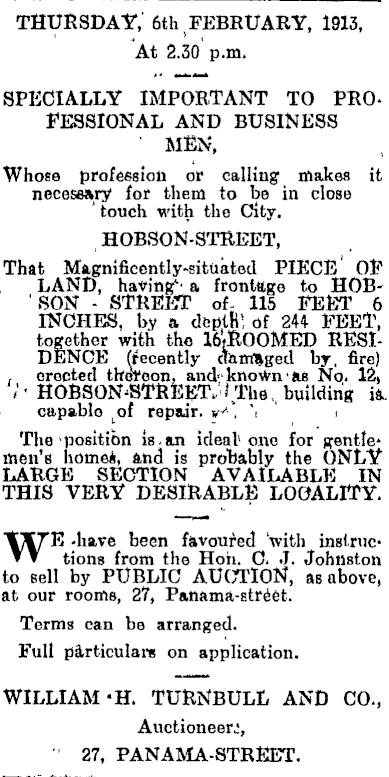
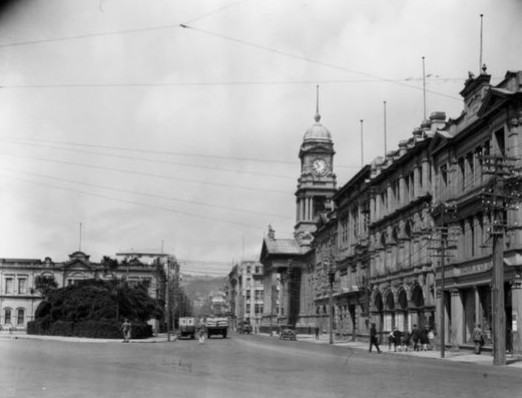
The following year, on 20th June 1911 to be precise, a large portion of Robert’s father’ estate in the city and suburbs of Wellington went under the hammer. It included around twenty different dwellings, and vacant or commercial lots. Charles had built up a large inventory of property between 1880 and 1903. Robert’s mother still had control of the family home #68 Hobson Street (near Wellington’s main railway station); however, she was in England by then (1911) and had no plans to return, so she allowed Robert’s trustees to place the furnishings up for auction in January 1913: “CATALOGUES IN PREPARATION. WILLIAM H. TURNBULL AND CO. will, sell by public auction, as above, under instructions from R. P. Pynsent, Esq. (sic): ON VIEW TUESDAY” (Evening Post: 25th January 1913). Robert Burton Pynsent was a rich man. The New Zealand Parliamentary Papers (Session II, 1912) list him among the “Owners of Land of Unimproved Value” of between £20,000 and £30,000.
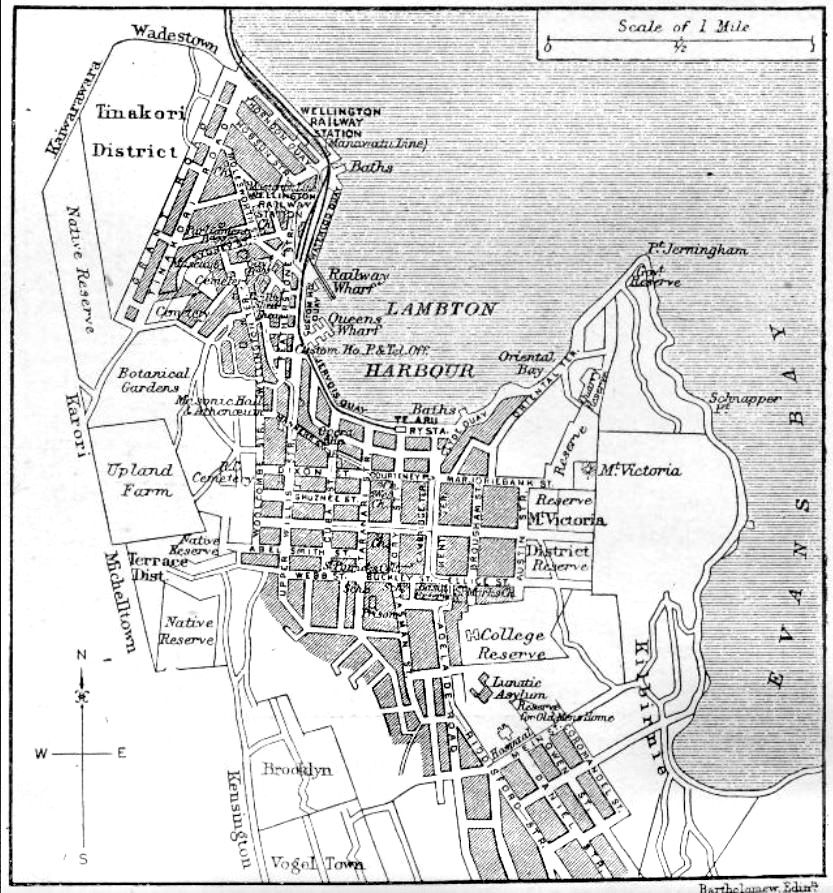
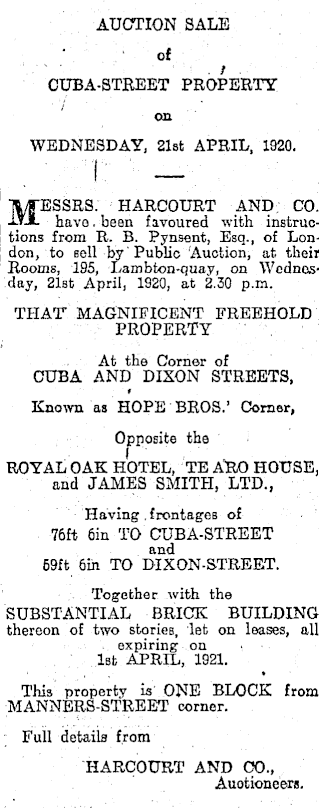
Robert seems to have sold another of this father’s properties – at the junction of Cuba Street and Dixon Street (near Te Aru railway station) in the old part of Wellington – in 1920 (Evening Post: 10th April 1920). He kept the family home until 1922 (Evening Post: 14th February 1922).
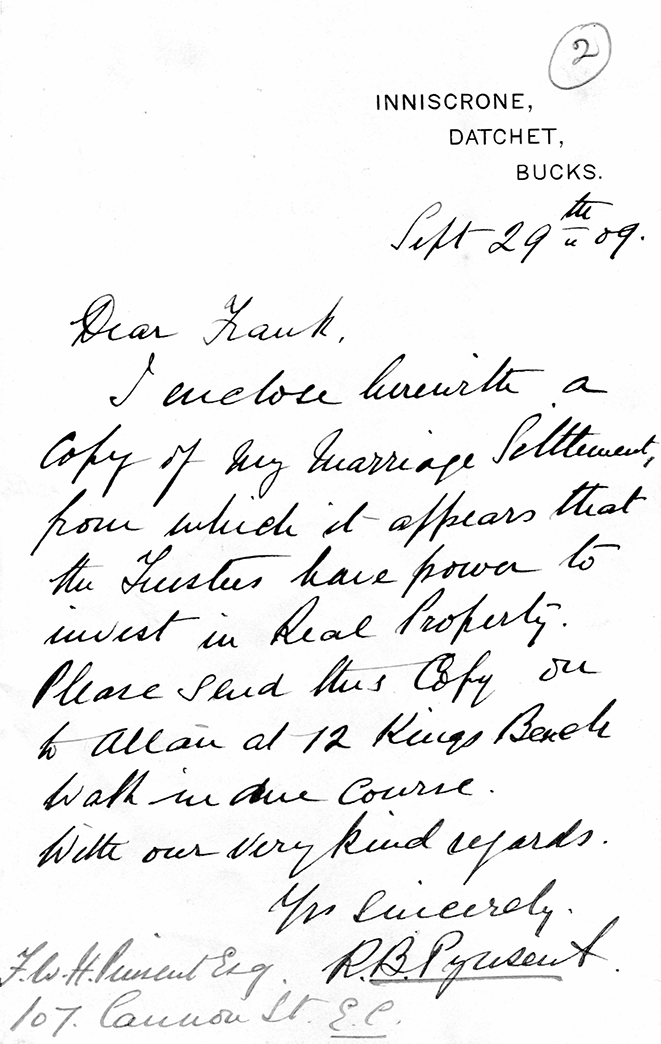
Robert Burton Pynsent married Mary Isobel Addie in Northaw, Hertfordshire in 1906 (Barnet Press: Saturday 16th June 1906). It was a “fashionable marriage”. In other words, she had good lineage and, of course, he had money! By then, he was a thirty-seven years old “barrister at law” living in Ashley Gardens on Victoria Street and practicing in the law courts at Westminster out of Chambers at #12 King’s Walk, Temple, E.C. (London City Directory: 1905 – 1910). “Bob Pynsent” appointed my grandfather, Francis Wingfield Homfray Pinsent, a trustee of his marriage settlement.
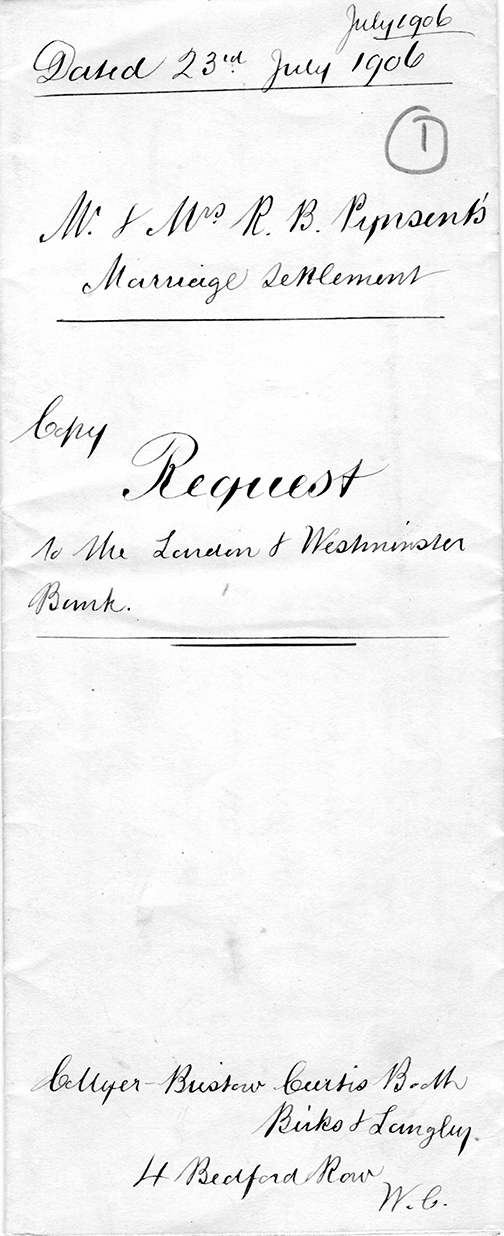
Francis was a land-valuer who had been educated in St. John’s, Newfoundland and had returned to the United Kingdom to be with his mother (Lady Pinsent) in 1899. She had stayed on in London after her husband, Sir Robert John Pinsent, died in Norfolk in 1893. Frank and Robert both came from “ex-colonial” families and lived in Kensington, so perhaps it is not so surprising they knew each other. As you can see from the database, they were both descended from John Pinsent and Susannah Pinsent (née Pooke) and were members of the HENNOCK branch of the family. Robert Burton Pynsent was to become “Cousin Bob” within my family. He attended the wedding of Francis’s brother, Captain Guy Homfray Pinsent’s and Miss Ethel Betty Brittan in Sheepstor in Devon, in September 1923. He came with a “Miss Pynsent” who was probably his daughter Joan Isobel Pynsent). “Bob” gave the couple a dining-room clock and his daughter gave silver buttonhooks and a shoe lifter. He had attended the funeral of Mrs. Margaret Willoughby at Chalton Kings, near Cheltenham in Gloucestershire two years earlier. She was one of Thomas Pynsent of Northam’s daughters who was herself linked by marriage to the DEVONPORT Pinsents. Robert’s attendance at both these events shows just how closely the well-to-do members of the overall “Pinsent” family were connected between the wars.
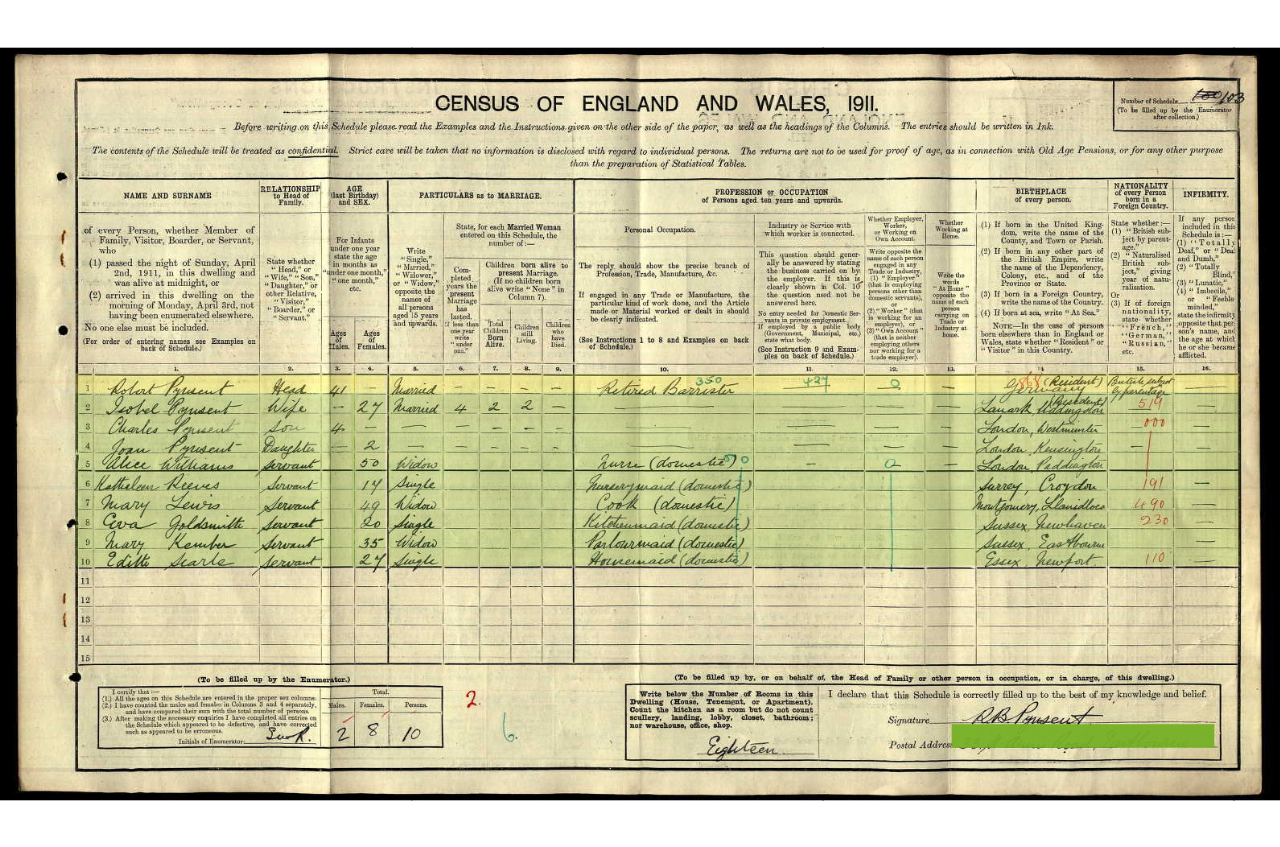
Bob and Isobel had a son, Charles Burton Pynsent in 1907 and a daughter, Joan Isobel Pynsent in 1909. He seems to have retired from the law shortly thereafter and moved the family to Eastbourne, in Sussex, where it lived in a large house on St. Anne’s Road. They were six servants in residence at the time of the 1911 Census. Finding staff must have been an ongoing problem! Mrs. Pinsent advertised for a “respectable active girl as a Kitchen Maid” in January 1911 (Bromley Journal and West Kent Herald: Friday 20th January 1911). They had a third child, a daughter, Mary Helen Pynsent while there in 1914.
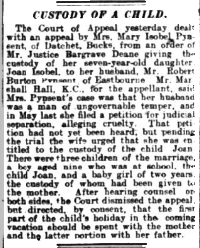
Unfortunately, the marriage failed and Mary Isobel went to live with her mother at Datchet, in Buckinghamshire. Worse still, they quarreled over custody of the children. In June 1916, Mary appealed an earlier court decision that her husband should have custody of their middle child, (Joan Isobel Pynsent) while she was still at school in Eastbourne – where Robert still lived. Mary’s lawyer argued that her husband had an ungovernable temper and she had petitioned for separation alleging cruelty. She said she was perfectly capable of looking after all three of the children. The Appeals Court declined to annul the previous order, saying that the judge had every right to make the decision he did. However, it did direct that Joan should spend the first half of any vacations with her mother (London Daily News: Wednesday 21st June 1916; The People: Sunday 25th June 1916). Presumably the divorce went through. I am not aware that either of them remarried.
Robert had joined the Mid-Surrey Golf Club on returning to England (The Times: 27th October 1905) and he had continued to play after moving to Eastbourne (London Daily News: Thursday 21st September 1911). He attended several annual Bar Tournaments in the 1910s – including the one held at the Prince’s Course in Sandwich in Kent in June 1911 (Leicester Daily Post: Thursday 1st June 1911). Robert met his match at the Amateur Championship held at the Royal North Devon Club at Westward Ho! in 1912. He was drawn against Mr. Justice Avory and scratched (The Sketch: Wednesday 5th June 1912)! Bob must have known that Thomas Pynsent – the man who reinvented the surname (see elsewhere) – had been instrumental in building the community and the course. Robert was too old to serve in the First World War but he made his contribution as a vice-president of the Eastbourne Rife Club (Eastbourne Gazette: Wednesday 9th June 1915).
Robert Burton may have lived in Goudhurst, near Tunbridge Wells in Kent for a while in the 1920s and was probably living there when he visited his niece, Dorothy Edith Goring, in Bexhill, in Sussex at the time of the census in 1921. However, “Brackett and Sons” sold off his furniture in July 1926 (Hastings and St. Leonard Observer: Saturday 17th July 1926) and he moved to Broadway in Worcestershire. He lived there with his daughter, Joan, who we know took an unaccompanied trip to Malta while she was living there in 1932. Ship manifests show that she left London on 7th December 1932 and returned on April 8th 1933. What she was doing there, I do not know.
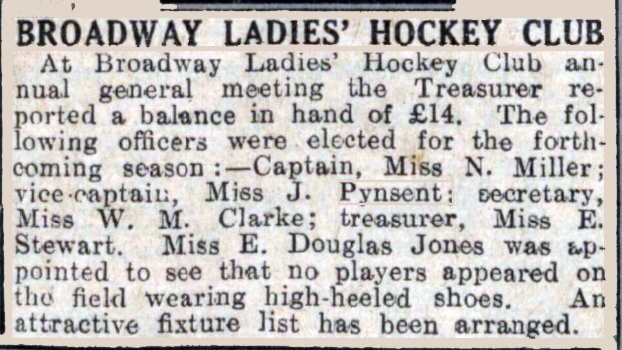
Joan and her father lived in Broadway until at least 1936 (Kelly’s Directory, Worcestershire: 1932 – 1936). She played field hockey for the Broadway Ladies (Gloucestershire Echo: Saturday 9th September 1933) and he, presumably, played golf.
At some point, they moved to Suffolk, where Joan sang and where she took part in the Suffolk Musical Festival in 1937 (Suffolk Chronicle: 4th June 1937). She was “hon. secretary” of the Wickham Market Ladies’ Choir. Joan was active in local affairs and she helped organize a community jumble sale in 1939 (Suffolk Chronicle: 12th May 1939). According to the pre-war Register compiled that year, Bob was fully retired from the bar and Joan was an “Ambulance Driver“. They lived in Blythe, in Suffolk, with a resident servant.
Joan Isobel Pynsent served in the Women’s Royal Naval Service during the war and was promoted to Second Officer in January 1945 (U.K. Navy List: April 1946. Vol. II). At some point, she served with another Pinsent, Joan Constance Pinsent and, to avoid confusion, she allowed her name to changed to “Joanna Pynsent”. Joan Constance had been appointed Second Officer in July 1943 (London Gazette: 30th July 1943) and had seniority! This Joan came from the INDIA branch of the family. Her forebears had been out in India as ship’s officers, merchants and administrators. Their history is outlined elsewhere in the database. Their crossing is just example of many that have happened over the years.
My father, Robert John Francis Homfray Pinsent, was a medical student at Selwyn College in Cambridge who found himself at Charring Cross Hospital during the early days of the blitz, in September 1940. In a letter home, he mentioned some disagreement or other between his “Uncle Guy” and “Cousin Bob”. The issue must have been resolved as Robert Burton Pynsent lived or stayed long enough with Captain Guy Pynsent and his wife Ethel (see above) in Chobham in 1945 for his name to be added to the electoral roll (Surrey England Electoral Registers: 1832 -1962). However, he had moved to nearby Godstone by 1946. The Electoral Registers tell us that he was there for a few years and then move in with his son, Charles Burton Pynsent, in Chaldon Common Road, in Caterham, Surrey.
Robert Burton died, in Caterham in February 1953. His effects were valued at £159,742. For some reason, he elected to be buried in St. John the Baptist Churchyard in North Bovey, in Devon (findagrave.com). This was his grandfather Joseph’s Pinsent’s parish. The headstone, as photographed by S. Prayerman in September 2020, is unfortunately, almost illegible. However, it seems to refer to “Robert Baring Pynsent.” This is a mistake, but one that echos another monument in the church, one dedicated to Joseph’s son, Robert Baring Pynsent, who was “lost at sea” in 1833.
Robert’s divorced widow Mary Isobel Pynsent never remarried, and she retained her “Pynsent” name. We find her living in “St. George’s Court”, in Kensington, in London with her daughter “Mollie” in 1921, when the census was taken and living at the Langham Hotel in St. Marylebone when the pre-war Register was compiled in 1939. She was of “independent means”. Mary lived at Stratford Court (Oxford Street) after the war (London, England, Electoral Register: 1832 – 1965), (1947-1949) and she was still living there when she died. Her death was registered in Epsom, Surrey in 1956. Her effects were a modest, £1,532 (England and Wales: National Probate Calendar). Presumably her son, Charles Burton Pynsent was involved in the probate; however, a solicitor handled her estate.
Charles Burton Pynsent grew up in England and then went out to India. He served in the Royal Air Force during the Second World War, and then settled in England. He married twice and had two sons. His life is described elsewhere.
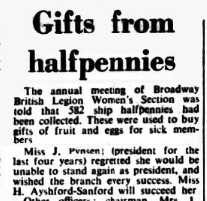
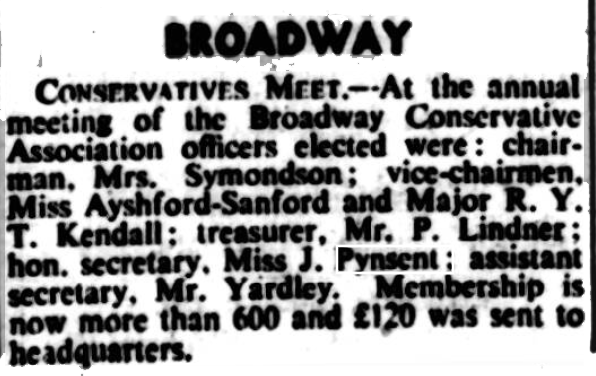
Joan Isobel – or Joanna as she became – never married. After the War, she returned to live in Broadway. What she did there, I am not sure. However, she was an active member of its Conservative Party in the 1950s (Tewkesbury Register: Saturday 10th May 1952) and a member of the Women’s Section of the British Legion in the 1960s (Tewkesbury Register: Friday 5th November 1965).
She also rode, and her love of riding nearly got her into trouble in 1964. She was accused of causing an accident; however the magistrate disagreed: “Miss Pynsent was riding her mare through the village of Willersey as Mr. Powell was riding his motor-cycle in the other direction. A child shouted and caused the mare to shy and knock Mr. Powell off his machine. Mr. Hutton alleged that Miss Pynsent knew the mare was likely to shy. `Not a shying horse:’ Miss Pynsent said in evidence that the mare was “definitely not a shying horse.” Giving judgment for Miss Pynsent, Mr. Justice Payne said he was satisfied that she had behaved as a prudent horsewoman might be expected to do in the circumstances. She had no reason to suppose that the mare was likely to shy on that morning in that place ” (Birmingham Daily Post: Thursday 5th March 1964).
British Telephone Books tell us that Joan, or “Joanna”, lived in Winchcombe, in Gloucestershire from 1974 to 1977 and then moved to Crowborough in Sussex, where she died in 1998. Her death was registered in Uckfield. I gather from family correspondence that she had an album of photographs that she showed to one of her nephews – another Robert Burton Pynsent – in 1964. Evidently it contained photographs of Robert Burton Pynsent (their grandfather), Charles Pitt Pynsent (their great grandfather), and Thomas Pynsent of Northam and his three daughters. Doubtless some of them would have been taken in Europe while the two cousins (Charles Pitt and Thomas) were traveling in Europe together. Whether it still exists, I do not now.
“Joanna’s” younger sister, Mary Helen married a Frenchman, Edward Edmond Henry Trelle (presumably in France as there is no record of the marriage in the General Records Office). The marriage failed and they eventually divorced. However, she was still living under her married name in Chepstow Place, in Kensington, London in 1949 (London Electoral Registers 1832 – 1965). Mary Helen married Cyril Reginald Gower, a commercial clerk and the son of a retired Monmouthshire Police Superintendent the following year.
Family Tree
Grandparents
Grandfather: Joseph Pinsent: 1770 – 1835
Grandmother: Ann Tucker: 1785 – 1855
Parents
Father: Charles Pitt Pynsent: 1824 – 1903
Mother: Georgina Helen Ball: 1833 – 1916
Father’s Siblings and half-siblings (Aunts, Uncles)
Mary Anna Lambert Pinsent: 1802 – 1809
Joseph William Pitt Burton Pinsent: 1804 – 1805
Elizabeth Satterley Pinsent: 1805 – 1878
Joseph Burton Pynsent: 1806 – 1874
John Robert Pinsent: 1807 – 1808
Mary Anna Pynsent: 1810 – 1875
Anna Lucretia Pynsent: 1812 – 1880
Harriet Cordelia Pynsent: 1814 – 1900
Maria Sophia Pinsent: 1815 – 1819
Robert Baring Pinsent: 1818 – 1833
Ferdinand Alfred Pynsent: 1822 – 1894
Charles Pitt Pynsent: 1824 – 1903 ✔️
Male Siblings (Brothers)
Charles Joseph Pynsent: 1858 – 1870
Robert Burton Pynsent: 1869 – 1953 ✔️
Please use the above links to explore this branch of the family tree. The default “Next” and “Previous” links below may lead to other unrelated branches.