Vital Statistics
John Pinsent: 1728 – 1772 GRO1131 (Merchant of Wolborough, Newton Abbot)
Susanna Pooke: 1730 – 1772
Married: 1750: Wolborough
Children by Susanna Pooke:
John Pinsent: 1751 – 1753
John Pinsent: 1753 – 1821 (Married Susanna Speare, Newport, Hampshire, 1793)
Robert Pinsent: 1753 – 1787
Thomas Pinsent: 1754 – 1785
William Pinsent: 1757 – 1835 (Married Amy Richards, Harbour Grace, Newfoundland 1797)
Gilbert Pinsent: 1758 – 1835 (Married Margaret Snow, Kingsteignton, Devon, 1790)
Charles Pinsent: 1765 – 1765
Charles Pinsent: 1766 – 1826 (Married, Mary Yeo, Lustleigh, Devon, 1799)
Samuel Pinsent: 1767 – 1775
Joseph Pinsent: 1770 – 1835 (Married (1) Anna Thomasine Croat Pinsent, London, 1799; (2) Elizabeth Pinsent, Moretonhampstead, 1800; (3) Ann Tucker, Drewsteignton, 1809)
Family Branch: Hennock
PinsentID: GRO1131
Click here to view close relatives.
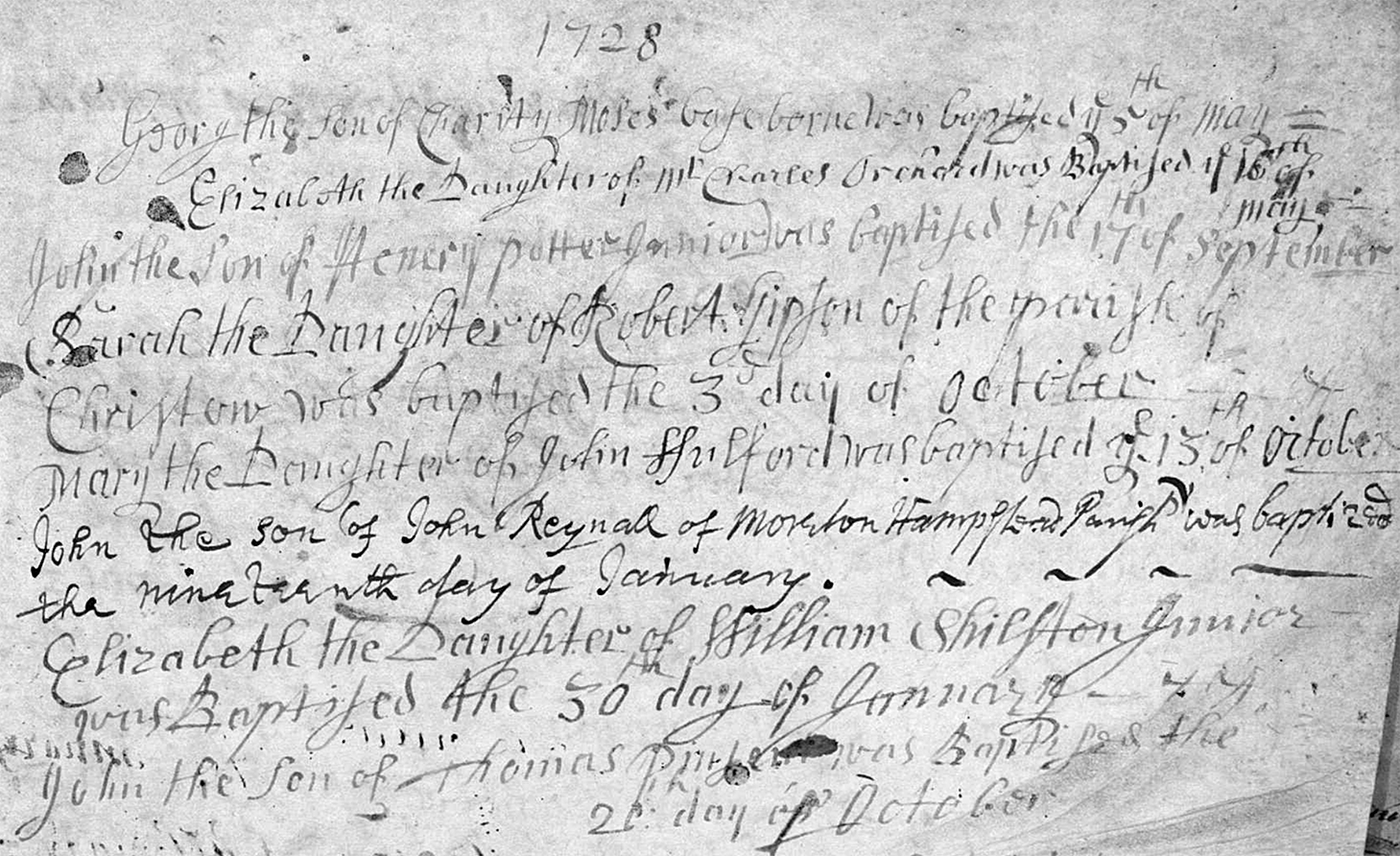
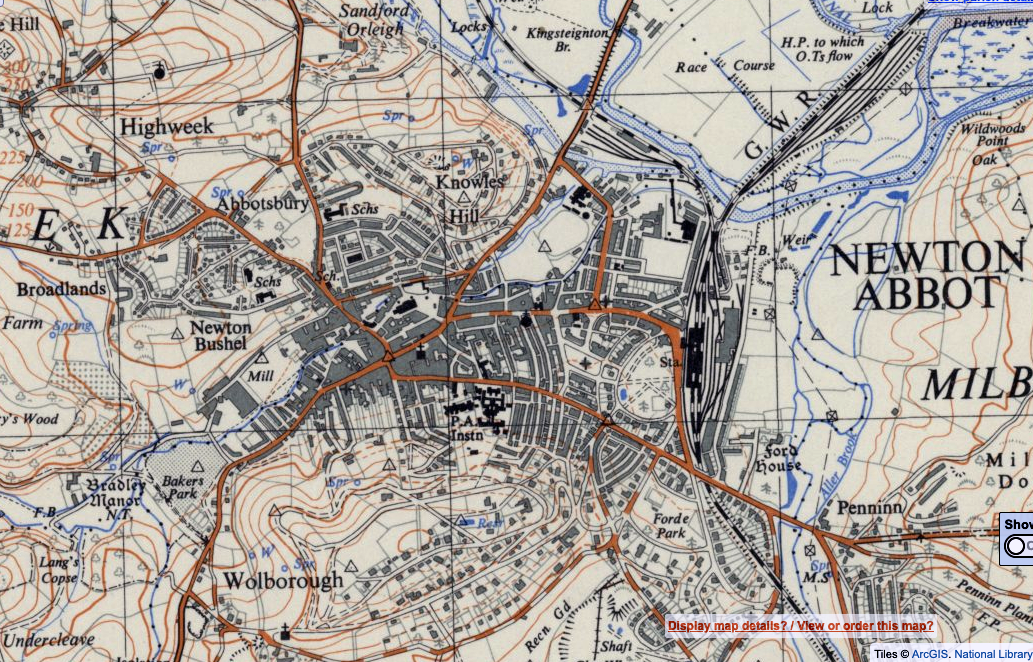
John Pinsent was the youngest of the surviving sons of Thomas “the elder” of “Pitt Farm”. He grew up in Hennock and later became a “merchant” in Wolborough (Newton Abbot). According to his son Joseph’s application for membership of the “Patternmaker’s Guild” (submitted in 1800 in order to become eligible to become a “Freeman of the City of London”), his father was a “Stapler” (i.e. he traded in wool). This makes sense as John’s brothers Robert and Gilbert, who also moved to Newton Abbot, were serge weavers and woolcombers. Sadly, they both arrived as the Devonshire cloth industry was starting to decline. Newton Abbot was, however, growing into a major recruitment and administrative centre for the Newfoundland cod fishery and it is quite possible that John had interests there too.
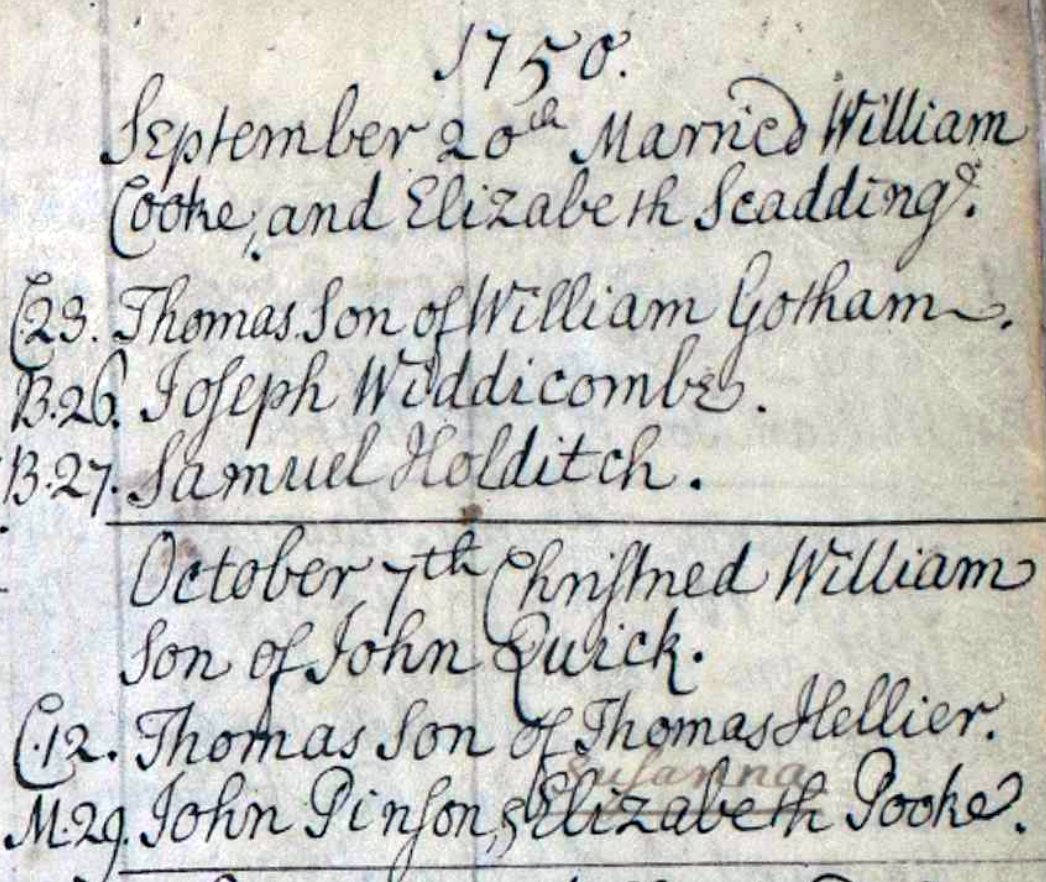
John married Susanna Pooke in 1750 and they had a family of eight (surviving) boys, of whom five were to grow up, marry and have children. This discussion (see elsewhere) follows the male line of descent of three of them down to the 1960s and it tracks the descent of two others as far as they are known to go. I am a direct descendant of John’s eldest married son, John Pinsent (1753-1821); my distant “cousins” Edward Humphrey and John Pinsent are descended from Gilbert Pinsent (1758-1835) and my other “cousins” Robert Burton and GRO0710 (and also several Australians) are descended from Joseph Pinsent (1770-1835). All three, and Charles Pinsent (1766-1826) too, have female-line descendants as well; however, they are not discussed.
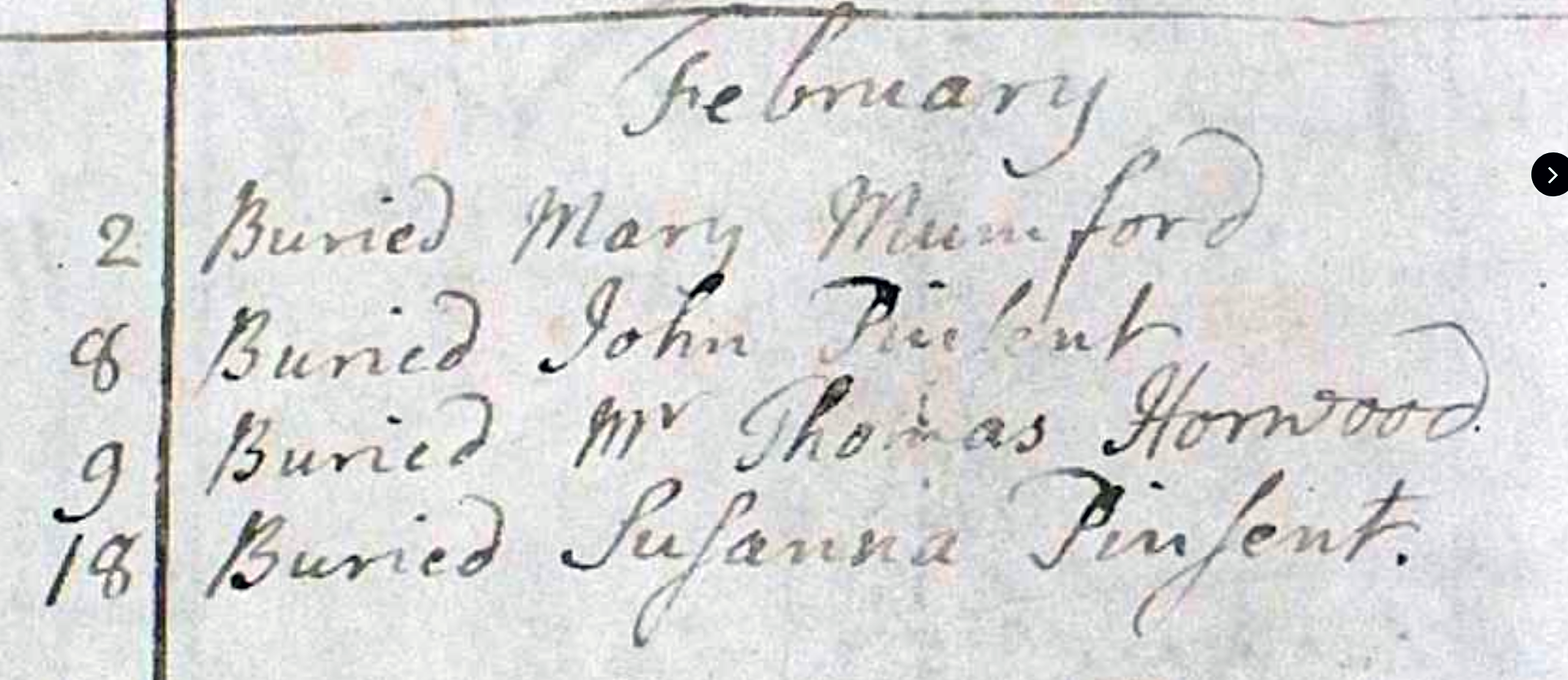
John Pinsent (44) and his wife Susanna (42) died within days of each other in 1772. They were relatively young, so they presumably succumbed to a pandemic of some sort.
They had launched their elder sons but their four young boys (Gilbert, Charles, Samuel and Joseph) were still in needed of a home. They seem to have been sent to live on their grandfather Thomas at Pitt in Hennock. He would have been getting on by then and the farm was probably being run by the boys’ uncle, Thomas Pinsent “the younger of Pitt.” He had no children of his own and must have been pleased to have them. Gilbert, Charles and Joseph almost certainly learned to farm while at “Pitt”. Presumably their brother Samuel did too; however, he died young.

Their lives are described elsewhere. There is a memorial in Hennock Church that shows that Charles took over the running of the farm at “Pitt” and inherited it in 1802, when his uncle died. Gilbert had, in the meantime, become a well-known tenant farmer in the Teign valley.
Charles’s brother Joseph had gone up to London and become a shipping agent and insurance broker (not a “patternmaker”!). Nevertheless, he returning to Devon in the 1820s to farm at Lettaford, in North Bovey. He is notable for marrying not just one DEVONPORT branch Pinsent, but two (see elsewhere)! Sadly, both died young. He ended up with children from his second and third wives.
John and Susanna’s four elder sons (John, Robert, Thomas and William) were apprenticed by the time their parents died. The eldest, John Pinsent, was apprenticed to Mary Speare, a baker in St. Thomas Parish in Exeter, around 1767. He later married her daughter (?) Susana Speare and moved up to London.
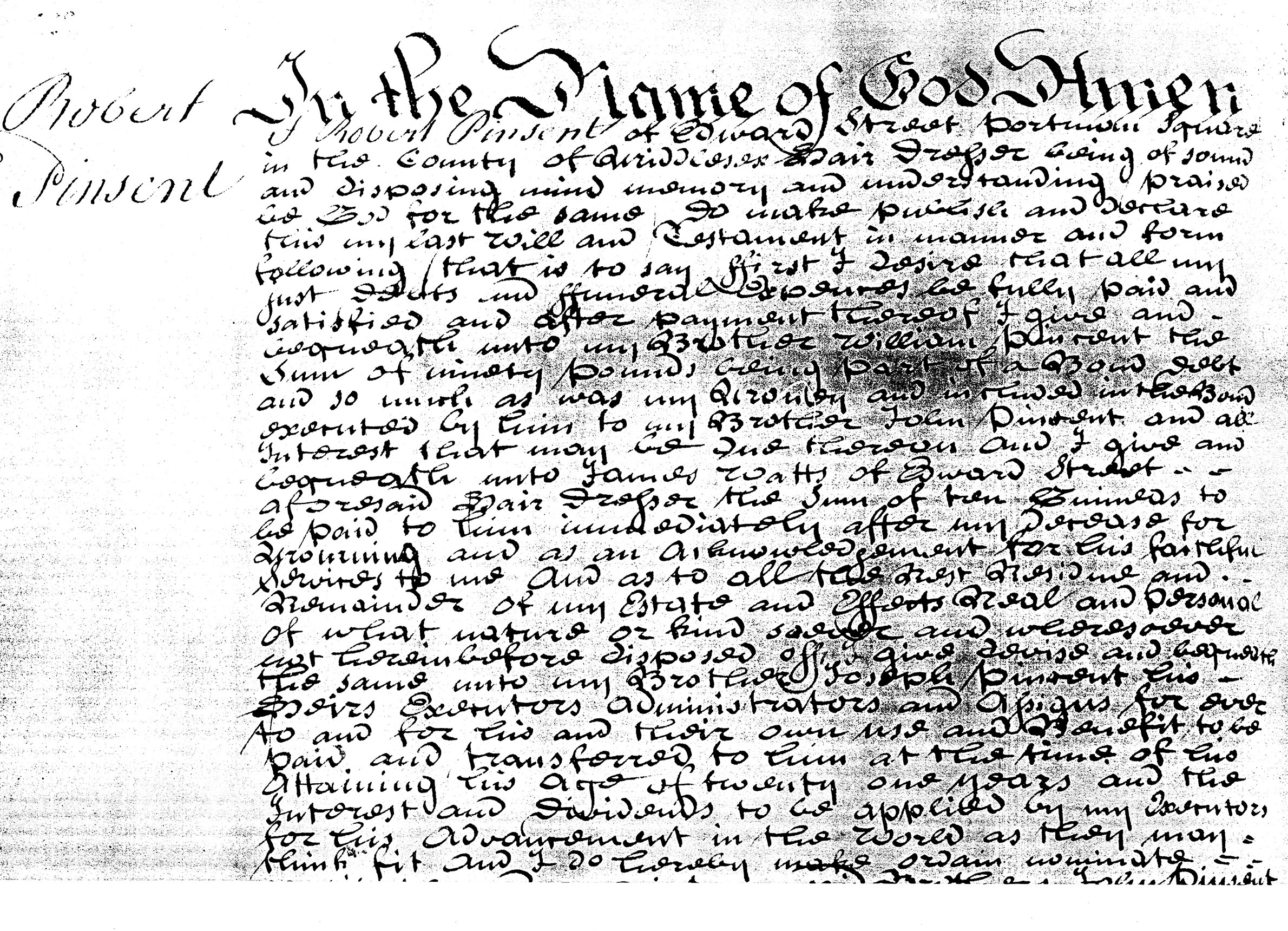
Robert Pinsent was apprenticed to a peruk (“wig” maker) named Anthony Stoker in Totnes in 1769. He also went up to London and he was living with his brother John, on Edward Street near Portman Square, in 1786, when he wrote his last Will and Testament. In it, he repaid a bond he owed to his brothers John and William (whom he made his co-executors) and after other bequests he left the residue of his estate to his brother Joseph, who had yet to turn twenty-one. The Will was proved in the Prerogative Court of Canterbury in 1787.
It seems likely that their brother Thomas joined the Royal Navy and died young. When Thomas “the younger of Pitt” wrote his Will, he refers to all his nephews by name except Thomas, so he had probably died before it was written, in 1791.
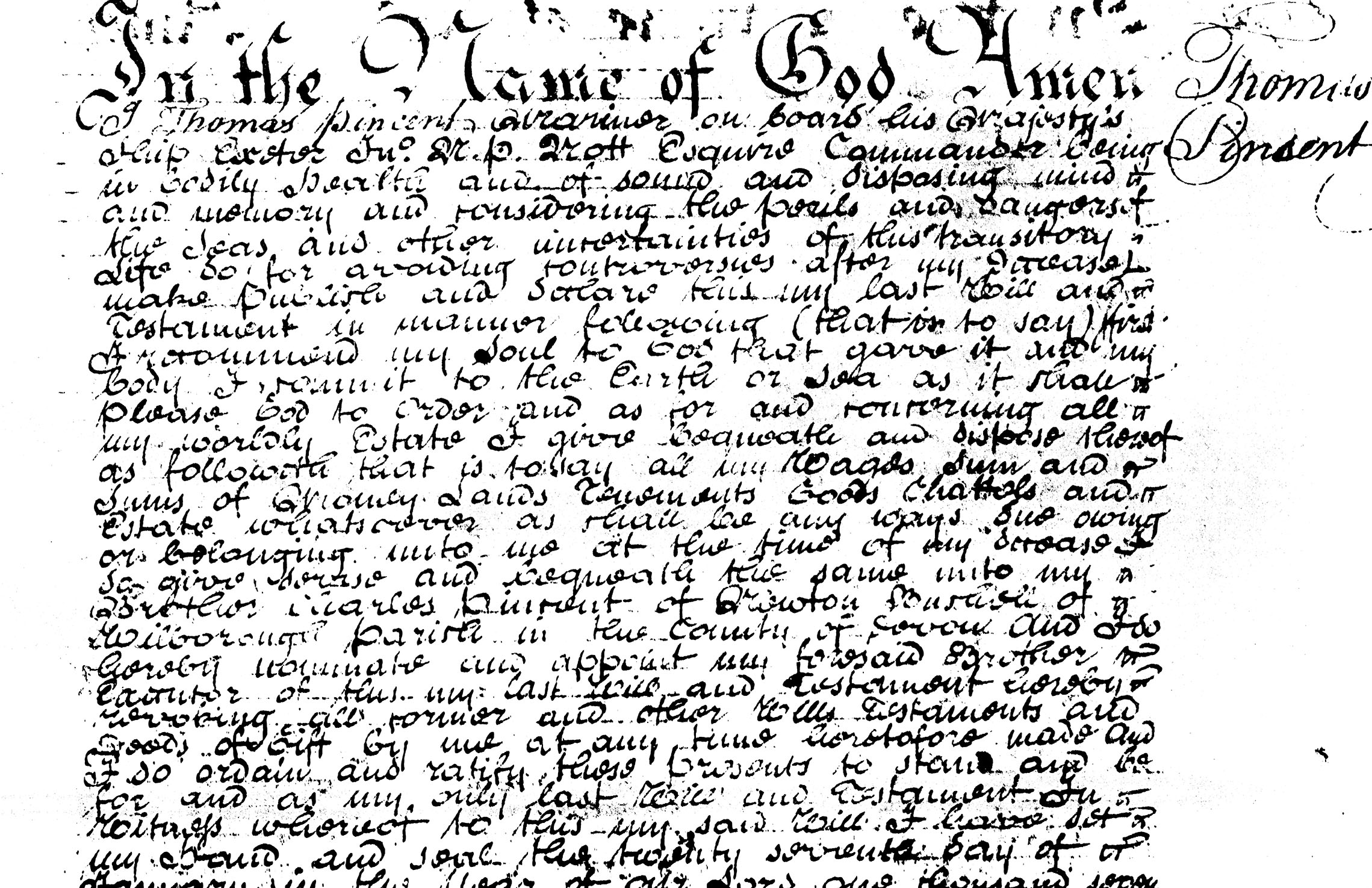
The younger Thomas may well have been the Pinsent who served on H.M.S. Exeter and wrote his will in 1779, presumably on joining the Navy. In it, he left his “wages, sums of money, lands, tenements, goods, chattels and estate” to his brother, Charles Pinsent. He probated the will in the Prerogative Court of Canterbury in 1785. Charles later went on to inherit “Pitt” from his uncle.
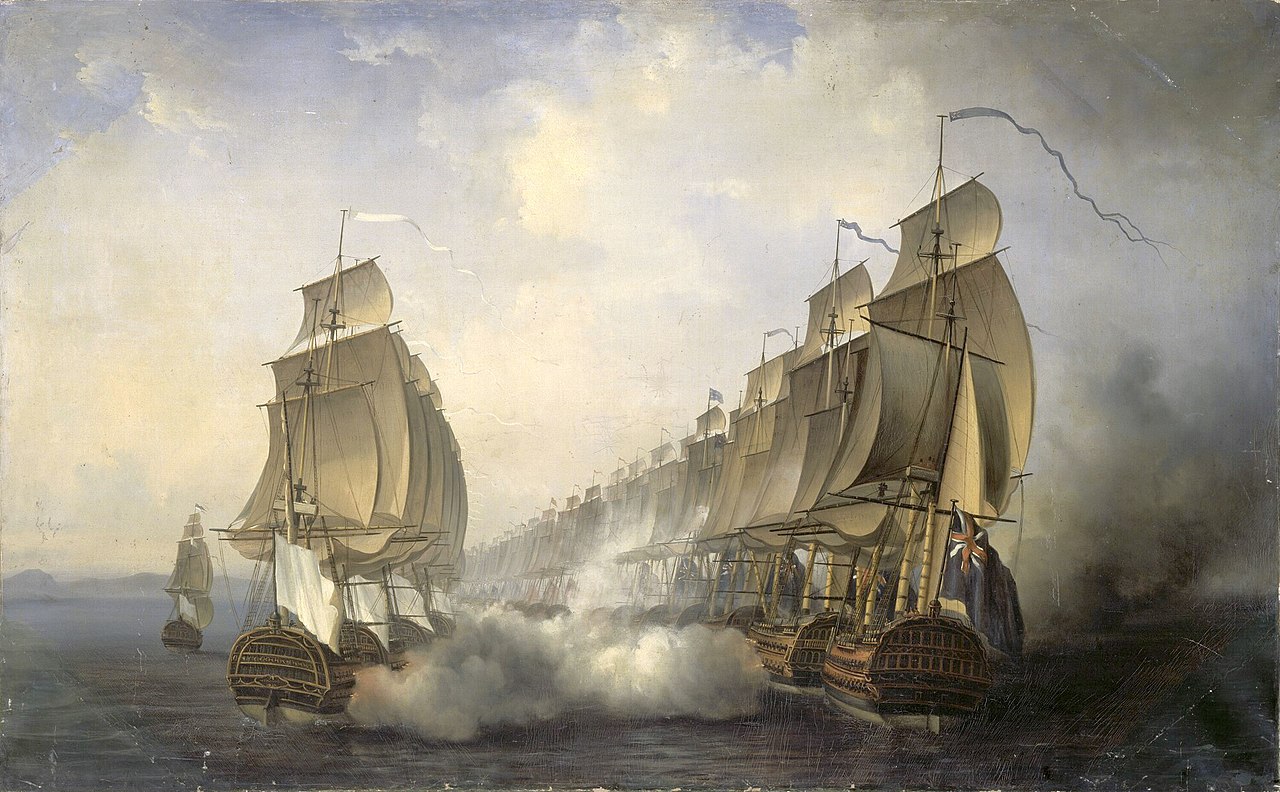
How and when Thomas actually died, I do not know. It is worth noting that H.M.S. Exeter was a 64 gun “third-rater,” commissioned in 1763, that served with the British fleet in the Bay of Bengal during the American Revolutionary War. It fought five engagements with the French in 1782 and 1783 (Sadras, Providien, Nagapatam, Tricomalee and Cuddalore) and it is quite possible that he died in action. Alternatively, he could just as easily have succumbed to malaria or some other tropical disease. His affairs would not have been wrapped up until the fleet returned home.
John and Susanna’s son, William, went out to Newfoundland as an “agent” for a mercantile firm around 1777 and (as discussed elsewhere) stayed on in Port de Grave where he established a shipping business which he ran with his elder brother, John. William returned to England late in life, and died in Teignmouth in 1834.
Gilbert doesn’t have a known birth record but, from his death notice, he must have been born around 1758. He probably worked on his uncle’s farm until he found one for himself. As discussed elsewhere, he turned out to be a very successful tenant farmer.
Family Tree
Grandparents
Grandfather: Thomas Pinsent: 1657 – 1696
Grandmother: Ann Waters: xxxx – xxxx
Parents
Father: Thomas Pinsent: 1691 – 1777
Mother: Mary Gale: 1690 – 1774
Father’s Siblings (Aunts, Uncles)
Susannah Pinsent: 1678 – xxxx
(?) Simon Pinsent: xxxx – 1744
Elizabeth Pinsent: 1682 – xxxx
Thomas Pinsent: 1684 – 1685
Ann Pinsent: 1686 – xxxx
Thomas Pinsent: 1691 – 1777 ✔️
Robert Pinsent: 1693 – xxxx
Unknown Pinsent: 1696 – 1696
Unknown Pinsent: 1696 – 1696
Male Siblings (Brothers)
Thomas Pinsent: 1717 – 1802
Robert Pinsent: 1721 – 1783
Gilbert Pinsent: 1724 – 1794
John Pinsent: 1728 – 1772 ✔️
Please use the above links to explore this branch of the family tree. The default “Next” and “Previous” links below may lead to other unrelated branches.